

Many people still believe that retired police dogs enter some kind of official retirement program.
Like they get a tiny badge and a pension. In real life, the ending is usually way more normal.
Retired K9s can be adopted. In the USA, it has been a thing for some time now, but most departments do not exactly advertise it.
It tends to happen quietly, with a lot of practical common sense involved.
Also, it’s important to know that these dogs are amazing, but they are rarely couch potatoes.
Where retired police dogs usually go

Most commonly, a working dog retires and stays with the handler.
That makes sense. The dog already trusts that person and already knows the routine.
When that is not possible, some agencies will look for another experienced home.
Sometimes within the department family. Sometimes a carefully chosen member of the public with the right setup.
The easiest ways to actually find one
That said, adopting a police dog is certainly a nice thing to do.
It is a way of showing appreciation for a dog that has dedicated itself to serving the community by giving it well deserved second chapter.
1. Start local
Call or email local police departments and ask for the K9 unit.
Some departments have waiting lists. Some have nothing available for a long time.
Some get a retirement situation and suddenly need one good home fast. It really depends.
2. Look at organizations that help place retired working dogs
Mission K9 Rescue is a well-known nonprofit that helps reunite and rehome retired working dogs.
They note they also occasionally place retired police dogs, though availability can be unpredictable.
3. Do not forget government working dog programs
TSA has a canine adoption program that offers dogs that did not meet training criteria for government work.
They also mention retired working dogs being offered for adoption through the program.
4. If vet bills scare you, there are support groups
Some nonprofits exist specifically to support adopters of retired police dogs with things like medical costs and other expenses.
It’s important to say that it’s not “free dog,” but it can be a real help.

The part nobody tells you

A retired K9 can be wonderfully polite in public and then come home and do something goofy like inspect every corner of the kitchen like it’s a crime scene.
Not because anything is wrong. It is just a dog with a job history.
Another little thing. Some of them have patterns burned into their brains.
Certain toys can flip them into work mode. Certain sounds. Even a specific kind of harness.
It is important to be aware of this because it can scare some people, which is why these dogs are not suitable for everyone.
Who tends to be a good fit
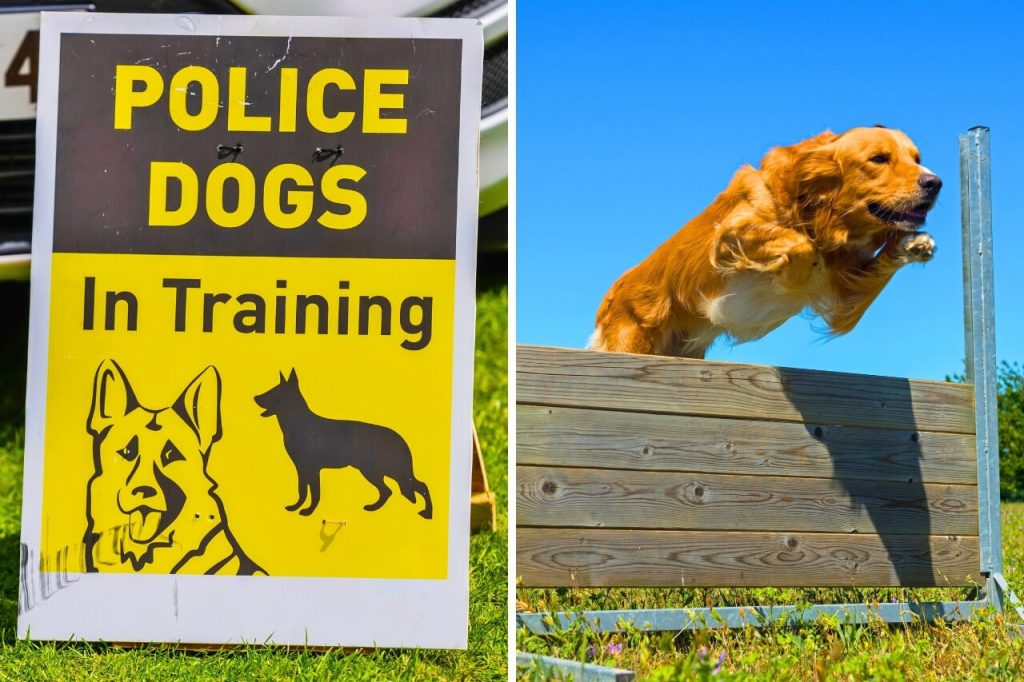
It helps to have a calm household, decent space, and a willingness to keep learning. Many programs and organizations screen hard for a reason.
For example, some retired working dog programs require very specific home conditions like owning the home and having a fully fenced yard.
Let’s be honest, it probably won’t be a good idea to put a retired police dog in a tiny apartment with three cats.
A quick reality check
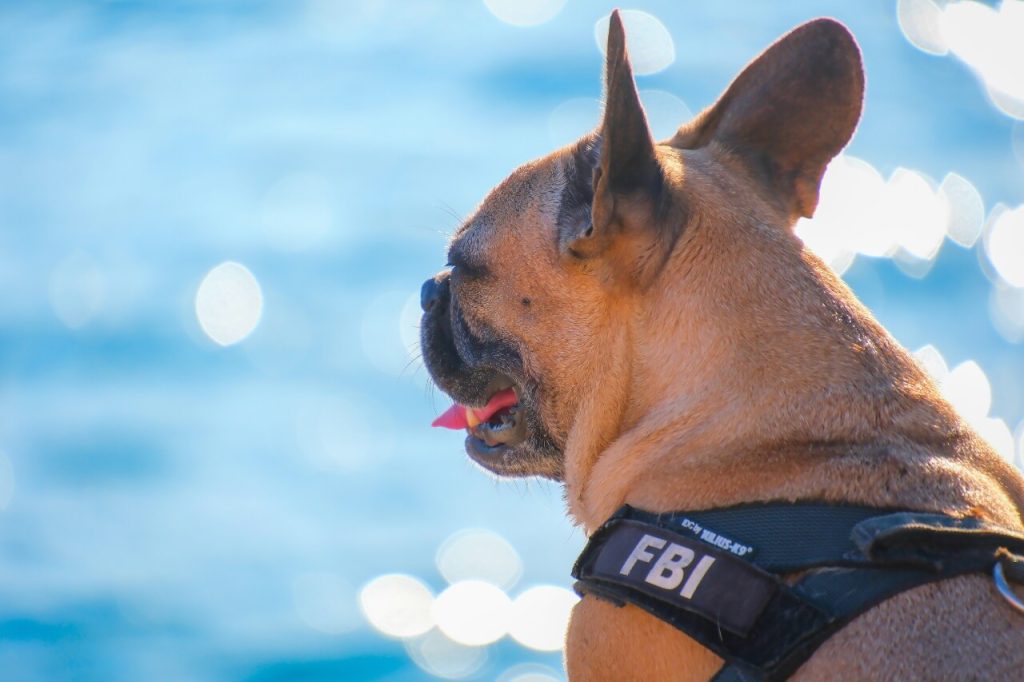
Another thing to say is that not every retired police dog is adoptable to the general public.
Some dogs are too high drive, too environmentally sensitive, or simply happiest with someone who already understand K9 behaviour.
Departments know their dogs, and sometimes they will match them carefully; other times, they will not place at all.
And it’s not gatekeeping. That is safety and kindness.
Other countries that allow it
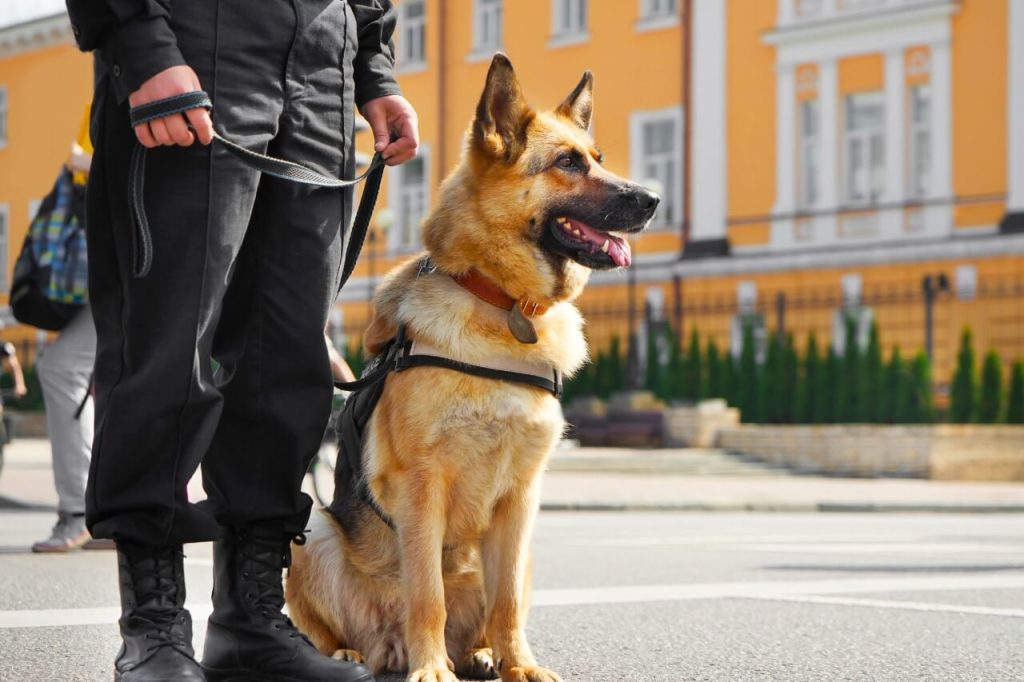
Outside the USA, the pattern is pretty similar. Handler first. If that is not possible, then a carefully selected home.
Canada
The RCMP explains that the handler may keep the Police Service Dog as a pet when it retires.
If that is not an option, the dog can be adopted, and the handler arranges the adoption to ensure a suitable home.
So yes, adoption happens, but it’s very controlled.
United Kingdom
In the UK, there is a big emphasis on rehoming being done through the police force itself.
Thin Blue Paw Foundation says that if someone wants to offer a home, they need to contact their local police force, and that charities are not permitted to rehome police dogs directly.
Some forces publish info and application-style pages. Northumbria Police, for example, has a dedicated police dog rehoming page and even mentions typical rehoming costs and what is included.
Australia
In Australia, you will see a similar approach. The Australian Federal Police has said retired dogs are adopted out, generally to the current handler.
There are also community groups and associations focused on supporting retired police dogs, but the common theme stays the same. These dogs are placed with care.
If the idea is tugging at the heart a little
That feeling is normal. There is something about a dog who spent years being brave and focused and then suddenly gets to just be a dog.
A normal bed. A normal yard. A ridiculous amount of praise for doing nothing but just giving and receiving love.
If this is on the mind, the best move is boring but effective. Start local, ask for the K9 unit, and be patient.
I always say that the right match is worth waiting for, and the wrong match is nobody’s dream.