
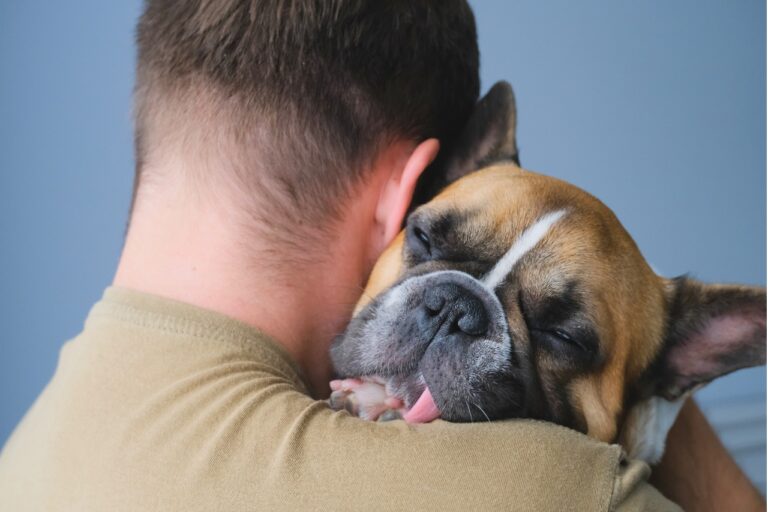
We all love our dogs and want what’s best for them, but sometimes we can do things that can annoy them or that they don’t like at all.
Dogs usually don’t let us know because they love us, and it can be difficult to understand their emotions, but it’s still important to recognize that they don’t like everything we do.
Here are ten everyday things we might do, and what science and dog experts say about why pups often really don’t appreciate them.
Hugging Them Like a Human
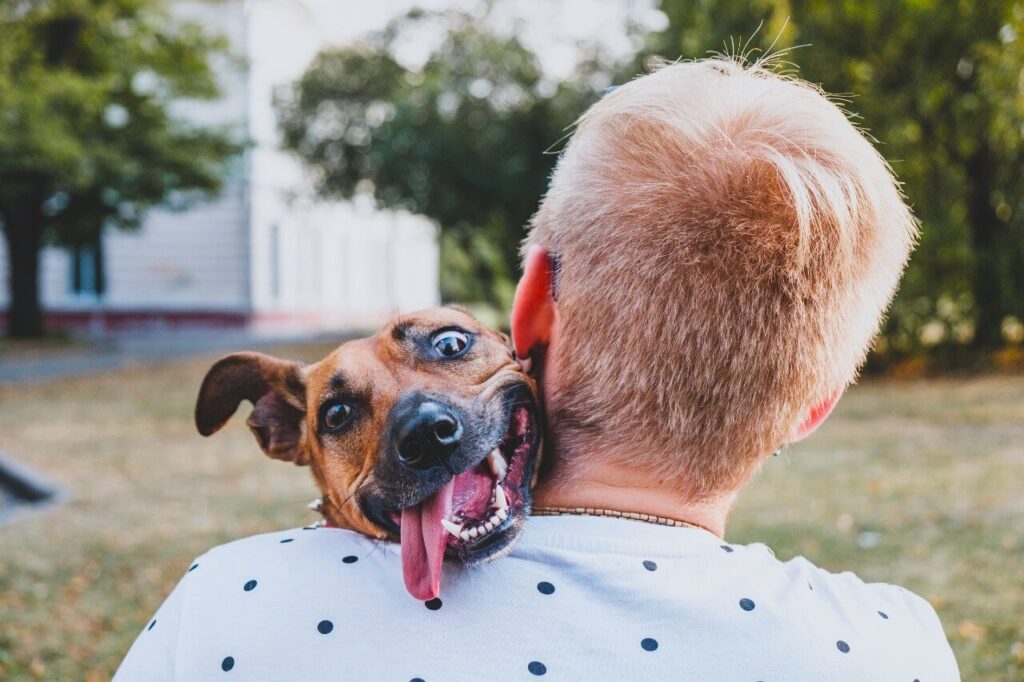
I know, we just want to smother our pups with love, but dogs often don’t feel the same way about big human-style hugs.
In dog body language, being wrapped up and held tight can actually make them anxious.
One study found that 81.6% of dogs showed signs of stress when hugged (ears back, half-closed eyes, tongue flicking, etc.).
In fact, many dogs will avert their gaze, lick their lips, or even nip during a hug, all signals that mean they’re feeling uncomfortable.
So next time you go for a hug, notice if your dog is stiff or trying to pull away. Chances are they’d much rather you respect their space.
Staring Directly Into Their Eyes
We humans often stare to show affection, but for dogs intense eye contact can feel like a threat.
In canine language, avoiding eye contact is a classic “appeasement” move, the opposite, a direct stare, communicates a threat.
In practice, this means that when we stare straight into our dog’s eyes, they may feel challenged or cornered.
Try softening your gaze or blinking a few times to appear friendly. If you sense your dog is uncomfortable, break eye contact, this tells them everything’s okay.
Talking Non-Stop in a High-Pitched Voice

I think we all do that silly baby talk to our dogs.
However, experts caution that overusing a constant high-pitched voice can actually confuse dogs.
Imagine someone chatting at you nonstop in an animated, squeaky voice. It can be fun at first, but it can be tiring if it never stops.
So, for dogs, it can soon become background noise and some trainers note that using baby-talk indiscriminately might muddle a dog’s understanding of cues.
You can definitely be enthusiastic for a moment, but keep it short and go back to your normal tone.
PRO OWNER: Dogs pay more attention to how we say things than the pitch, so rhythm and intonation are even more important.
Forcing Social Interactions
Some dog owners like to introduce their dog to everyone and every pup they meet, but dogs actually appreciate having a choice.
If a dog doesn’t want to approach someone (human or dog), forcing the interaction is never a good idea.
The Wisconsin Humane Society advises: “If a dog does not choose to approach someone, give them space; forcing them to interact will only cause them to get more anxious… Never force a dog to interact!”.
In plain English, this means that pushing an unsure dog to meet a stranger or another dog can trigger fear or even a defensive reaction.
Just like humans, dogs are not always in the mood for new social interactions. Try to understand their wishes and respect them.
Touching Their Face and Paws Repeatedly
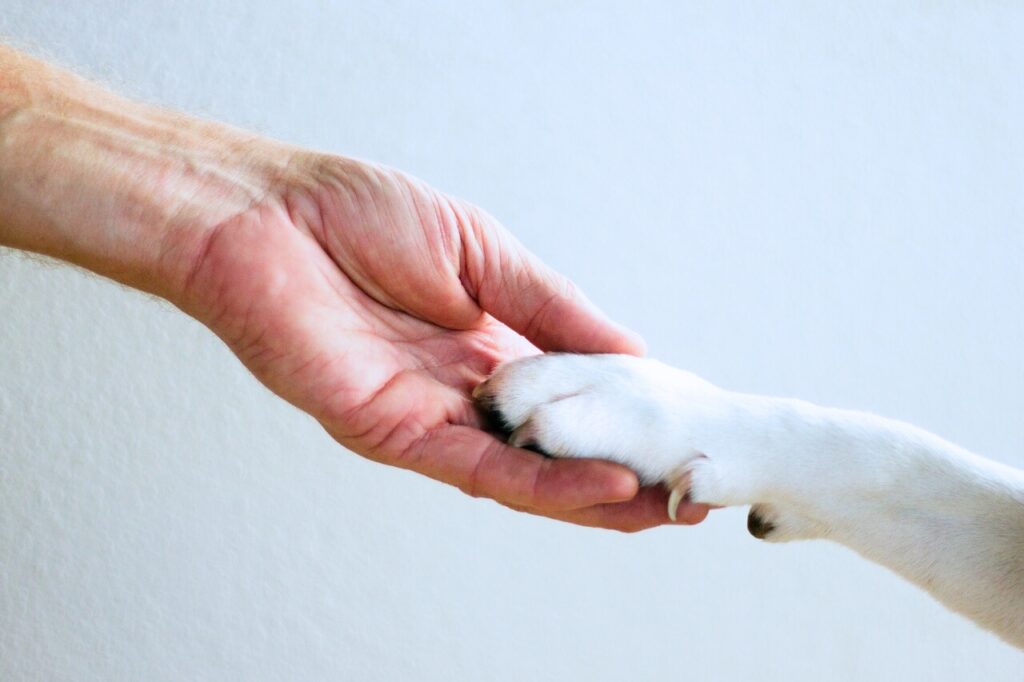
Some dogs love belly rubs and shoulder pats, but many are much more sensitive about face and paw handling.
You might notice that your dog is bowing or turning away when you reach for their face. It’s not uncommon, many dogs simply don’t enjoy having their head or face touched.
Instead, try scratching under the chin or on the chest, areas dogs generally like more.
The same goes for paws: even during normal play, most dogs prefer you leave their feet alone.
Besides nail trims and grooming, random paw handling can make a dog very uncomfortable.
Changing Routines All the Time
Our dogs thrive on predictability. Walks, meals, and bedtime at roughly the same times every day give them confidence that life is safe.
Sudden changes in routine, even small ones, can throw them off. One survey found that 82% of dogs show visible stress when their routine is upset, with nervous behaviors like whining or destructive chewing as a result.
Canine behaviorists explain that dogs love habits, so even minor changes (late dinner, random new schedule) can trigger anxiety.
So if you can, try to keep feeding times, walks, and play sessions consistent.
Yelling Instead of Communicating
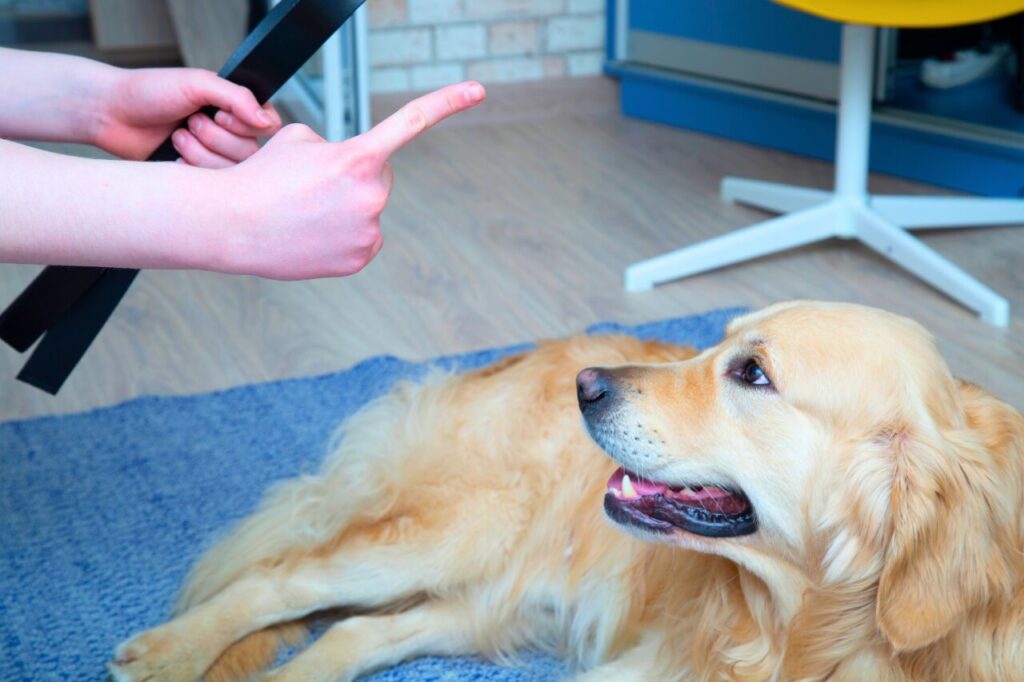
It can happen that we raise our voice at our dog, but yelling at a dog often scares or confuses them instead of teaching them.
In fact, research shows that dogs subjected to harsh, aversive training show more stress and fear.
In addition, one study found that pups trained with yelling had significantly higher stress hormones and more fear-related behaviors compared to dogs trained with gentle methods.
In short, this means that shouting can make your dog anxious, damage your bond, and actually worsen the behavior you’re trying to fix.
You should use a calm but firm voice, or simply redirect attention with a toy or treat.
Ignoring Their Calm Signals
As you probably already know, and as we have already seen in some points above, dogs use a lot of non-verbal communication, often using subtle calming signals to tell us when they’re uneasy.
Behaviors like yawning, lip-licking, turning the head away, or sniffing the ground can all mean “I’m uncomfortable, please slow down.”
It’s crucial to pay attention to these cues. Experts warn that when we ignore a dog’s early stress signals, they may feel the need to escalate their warnings, even to the point of growling or snapping.
So if you see your dog yawning during a training session or trying to break gaze on a busy walk, give them a break. Back off or change the situation until they relax.
Using the Leash as a Control Tool
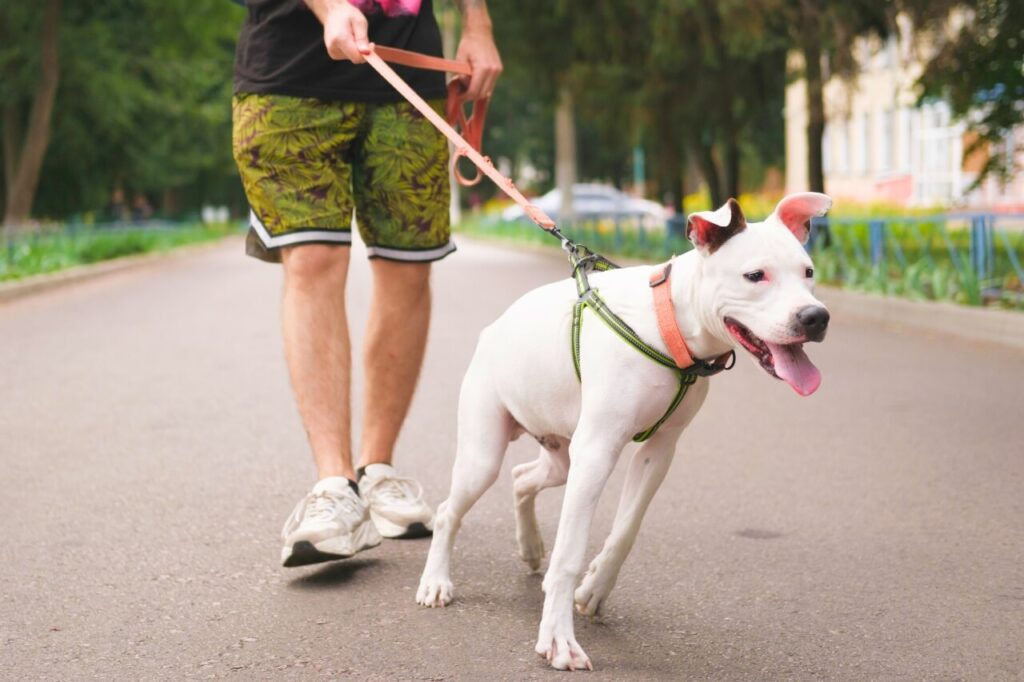
Leashes are essential for safety, but using them as a tool for dominance is never a good idea.
Yanking on the leash or stepping on it to yank your dog around can create a negative association with the walk itself.
Trainers warn that repeated tugging on the leash can cause physical pain and make dogs associate walking with discomfort, leading to stress or even aggression toward other dogs and people.
Some dogs also need training to walk. Reward them for walking calmly by your side, stop and wait if they pull, and use treats or a favorite toy to keep them focused.
Leaving the TV or Loud Noises On All Day
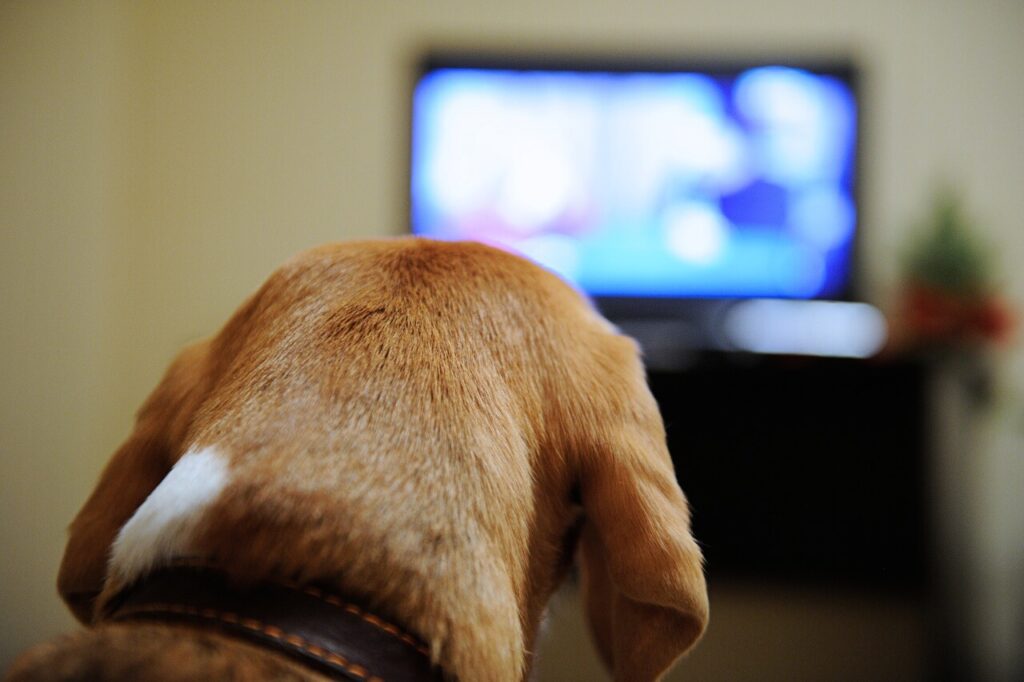
It might seem harmless to leave the TV or radio on as background noise, but don’t forget that dogs have super-sensitive hearing.
What can seem like a moderate volume to us can actually be loud to them.
Constant noise also means your dog never gets quiet downtime to really relax.
So to keep your dog comfortable, keep TVs and radios at a low volume and consider leaving on more calming sounds, like soft music or a low-volume nature channel, when you’re away. A bit of peace and quiet can go a long way toward a happy, relaxed dog.