
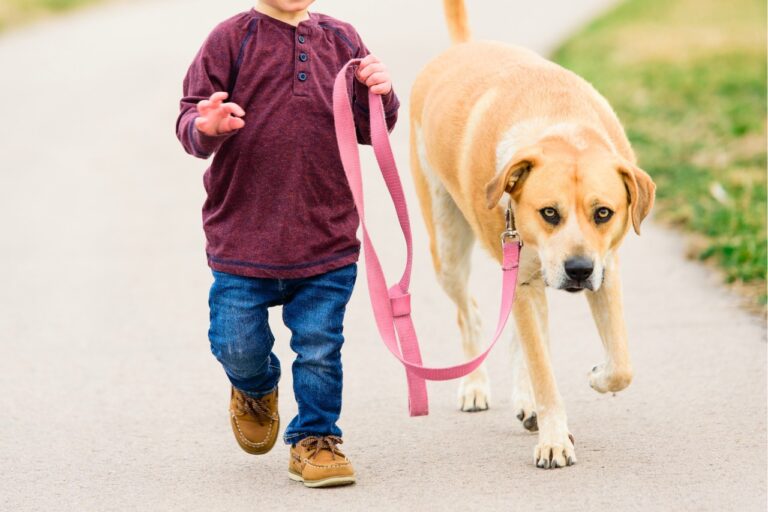
I absolutely love any kind of dog: big ones, little ones, you name it. So it feels a bit weird to say there are any breeds that might not be great with kids.
But as a dog enthusiast who’s spent years around both kiddos and pups, I have to admit that it’s impossible to deny that some breeds are more suitable for children than others.
It’s not that some breeds are “bad”, just that they come with quirks or needs that can make life with young children a little rough.
So, let’s talk about ten dog breeds I wouldn’t really recommend for homes with small kids.
1. Chihuahua

Don’t let the small size fool you, I have a Chihuahua, and I can guarantee you that they often think they’re the bosses of the world.
I’ve met Chihuahuas who will bravely (or foolishly) challenge a Great Dane without a second thought.
Mine, however, is very calm and doesn’t get close to large dogs, but he still doesn’t like children.
You have to consider that Chihuahuas are intensely loyal to their person and can get defensive or snappy if a toddler pokes, prods, or even looks at their favorite human the wrong way.
They’re also pretty fragile, so a kid can accidentally hurt them, and they may respond aggressively.
2. Jack Russell Terrier
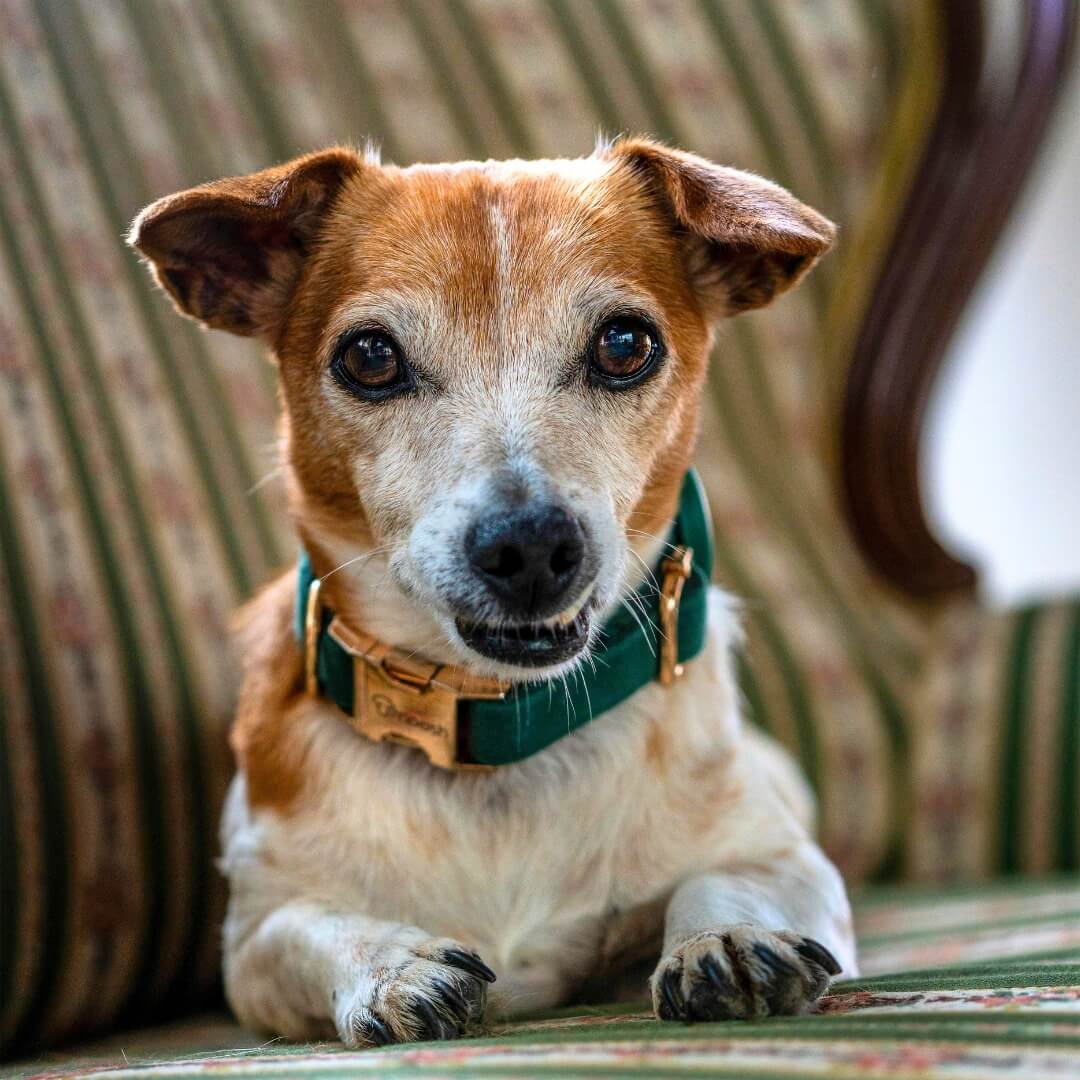
Jack Russells are hilarious, hyper, and just bursting with energy.
I dog-sat a Jack Russell named Benny once, and honestly, I’m not sure if I was taking care of him or he was taking care of me.
I’d throw a ball; he’d still be ready to play fetch long after my arm was sore. This breed has the stamina of an Olympic athlete and the curiosity of a toddler, but when combined, it can be chaos.
Jack Russells tend to play rough, jump high, and they can get overly excited in the blink of an eye.
They don’t mean to be aggressive most of the time, they’re just so amped up that they forget their manners.
For this reason, they can be excellent dogs for active adults or families with older kids, but they’re not the best choice for families with young kids.

3. Dalmatian
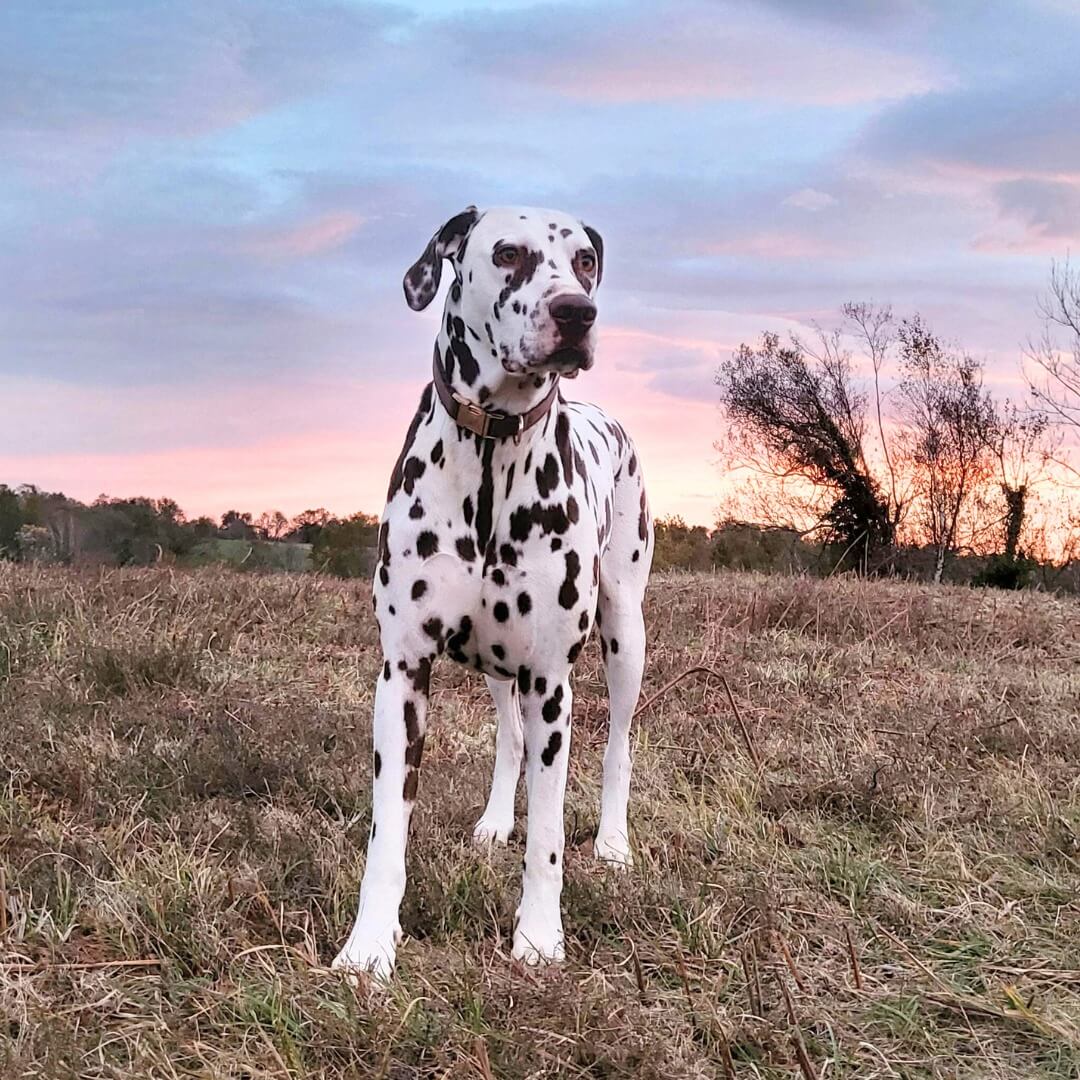
Ever since 101 Dalmatians, they’ve been super popular, and I get it, they’re gorgeous.
At the same time, Dalmatians are high-strung, powerful, and need a ton of exercise.
They were bred as coaching dogs (running alongside carriages) and firehouse mascots, so they have stamina for days and a strong will.
In a house full of small children, a bored or restless Dalmatian can be a bit of a disaster. They’ll herd the kids, jump up in excitement, and yes, they can be prone to nipping when overexcited.
Dalmatians also aren’t the most patient with the unpredictable noise and commotion that comes with young kids.
They can be good family dogs with serious training and enough physical activity to tire them out, but if your life is already stressful enough, adding a Dalmatian may not be the best choice.
4. Chow Chow
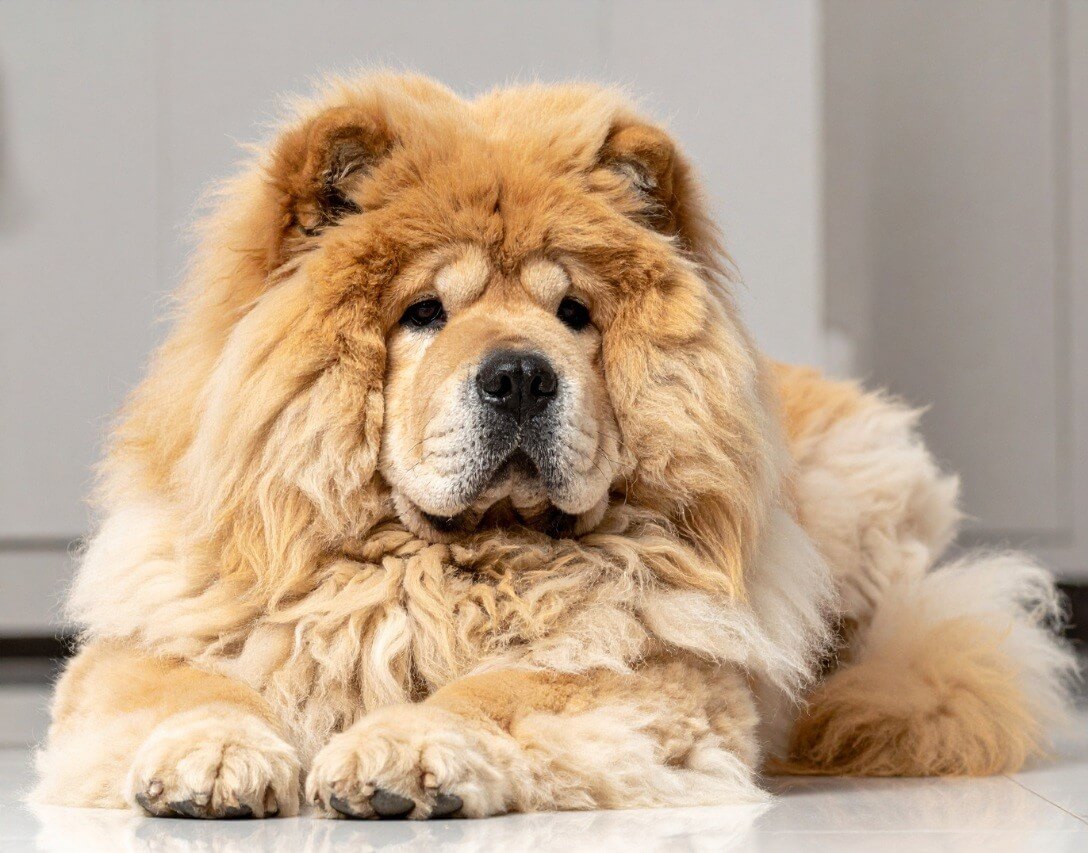
I have such a soft spot for Chow Chows, they look like adorable fluffy lions with that blue-black tongue and aloof expression.
However, a thing I didn’t know and that I’ve learnt over time is that Chows are pretty much the cats of the dog world when it comes to personality.
They’re independent, proud, and not exactly fond of roughhousing.
Chows just aren’t built to tolerate the noise and spontaneous chaos of small children, and they have very low tolerance for sudden movements and strangers.
5. Akita
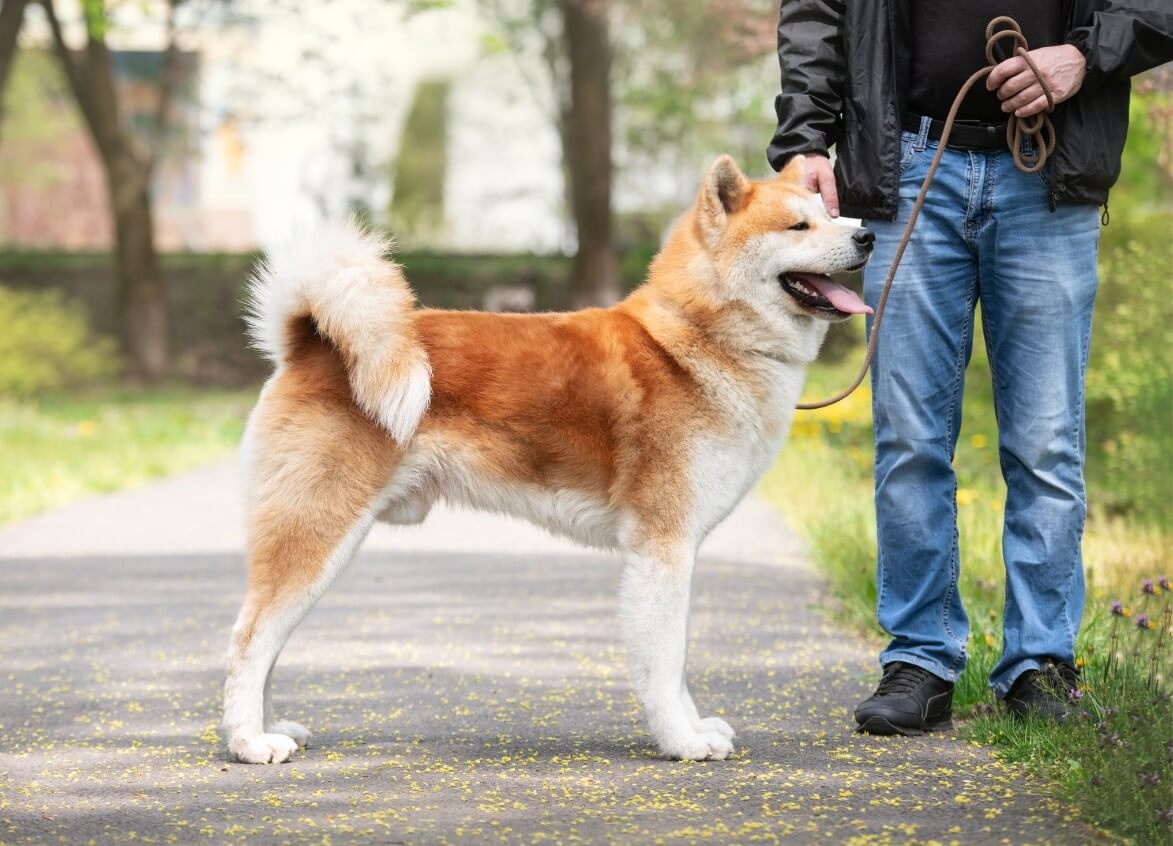
The Akita is a strong and intensely loyal breed, I sometimes joke they have a samurai spirit.
They’ll stick by their favorite people and protect them no matter what. Sounds great for a family, right?
Well, Akitas are also known for their guarding instincts and dominant personalities.
In their mind, they’re the guardian of the house. They don’t typically tolerate a lot of nonsense; roughhousing and unpredictable behavior can really stress them out.
6. Siberian Husky
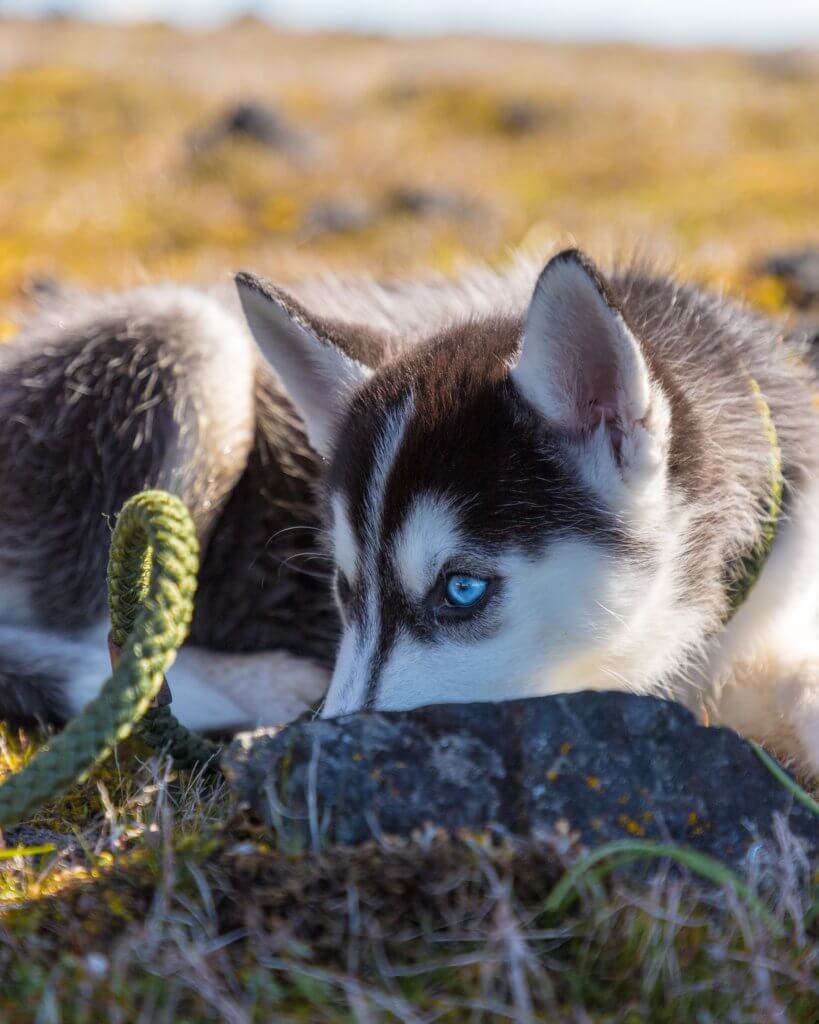
If you’ve ever seen a Siberian Husky in action, you know they’re like a tornado.
I once joked that a Husky will not only teach your kids how to run, but also how to dig under the backyard fence.
Imagine managing a toddler and a Husky both having a meltdown because they’re bored, not a pretty picture.
They can also be quite mouthy and play rough. Let me be clear, they’re not usually aggressive, but they might bowl over a small child while playing or swipe a sandwich right out of a kid’s hand (true story, happened with my cousin’s Husky).
Huskies are also famously independent and, let’s be honest, a bit stubborn when it comes to obedience. All this isn’t to say Huskies don’t love their families or that they’re mean.
It’s just that the combo of high energy and strength requires intense supervision around kids.
7. Alaskan Malamute
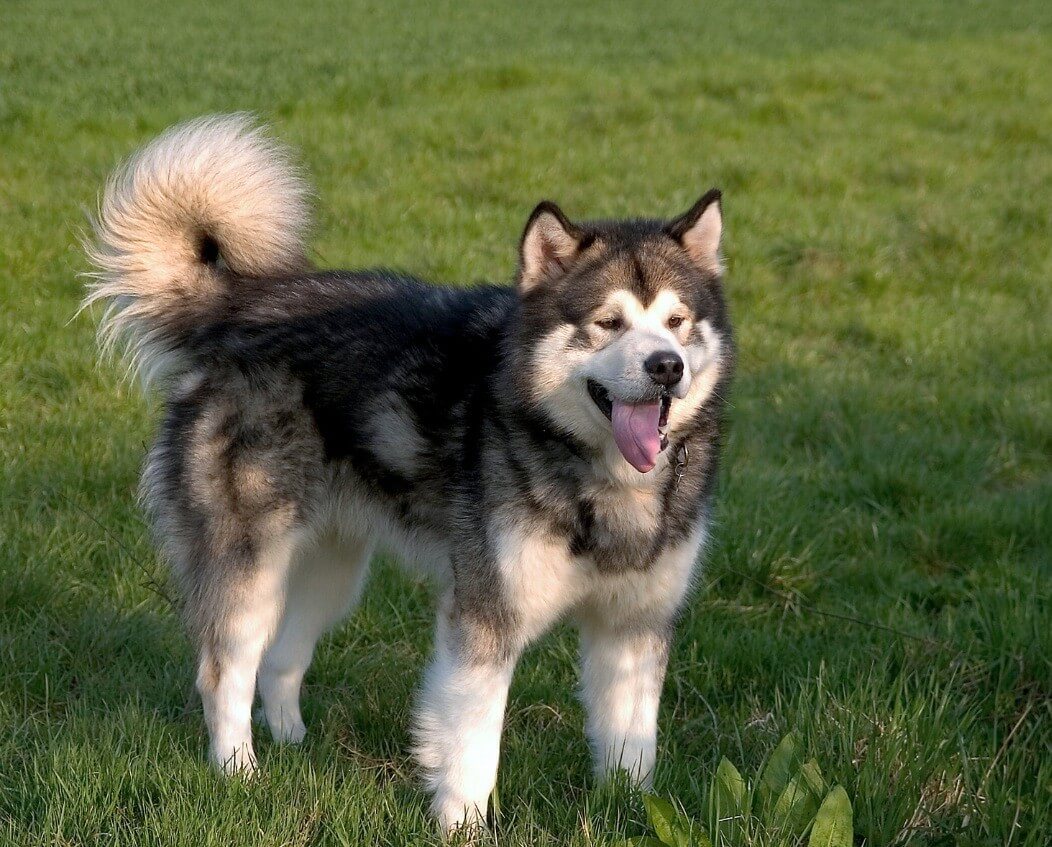
Some people confuse the Husky and the Alaskan Malamute.
The latter is actually larger, often stronger, but just as free-spirited as their Husky cousins.
They’re usually beautiful gentle giants with adults and bigger kids, but with little children, it’s tricky.
Consider that Malamutes are powerful. If they decide to charge after a ball or go give someone a hearty hello, any tiny human in the way is getting toppled.
They don’t mean to cause harm, but a 100 pound Malamute can be so strong and enthusiastic that it accidentally knocks down small kids without even realizing it.
In addition, Malamutes can be protective of food or toys. A toddler wandering too close to their food bowl is definitely not a good thing.
So, unless you’re prepared for constant supervision and have experience training northern breeds, it’s probably best to avoid this breed.
8. Rottweiler

Rottweilers have a bit of an unfair scary reputation, but many are very sweet with their families.
I’ve known Rotties who literally try to sit on your lap even though they weigh as much as a full-grown person.
They’re loyal, and they love their people. So why are Rottweilers ore on this list? Two main reasons: their protective instincts and their sheer power.
Rottweilers were originally bred to guard and protect, and those instincts run deep. If a Rottie sees or hears something it perceives as a threat, it might intervene in a way that’s not exactly gentle.
Also, Rottweilers are strong. If one does get overly excited or defensive, an adult can barely hold them back.
Many Rotties do great with kids they’re raised with, but it takes excellent training, socialization, and supervision. Most busy parents have time for that.
9. Cane Corso
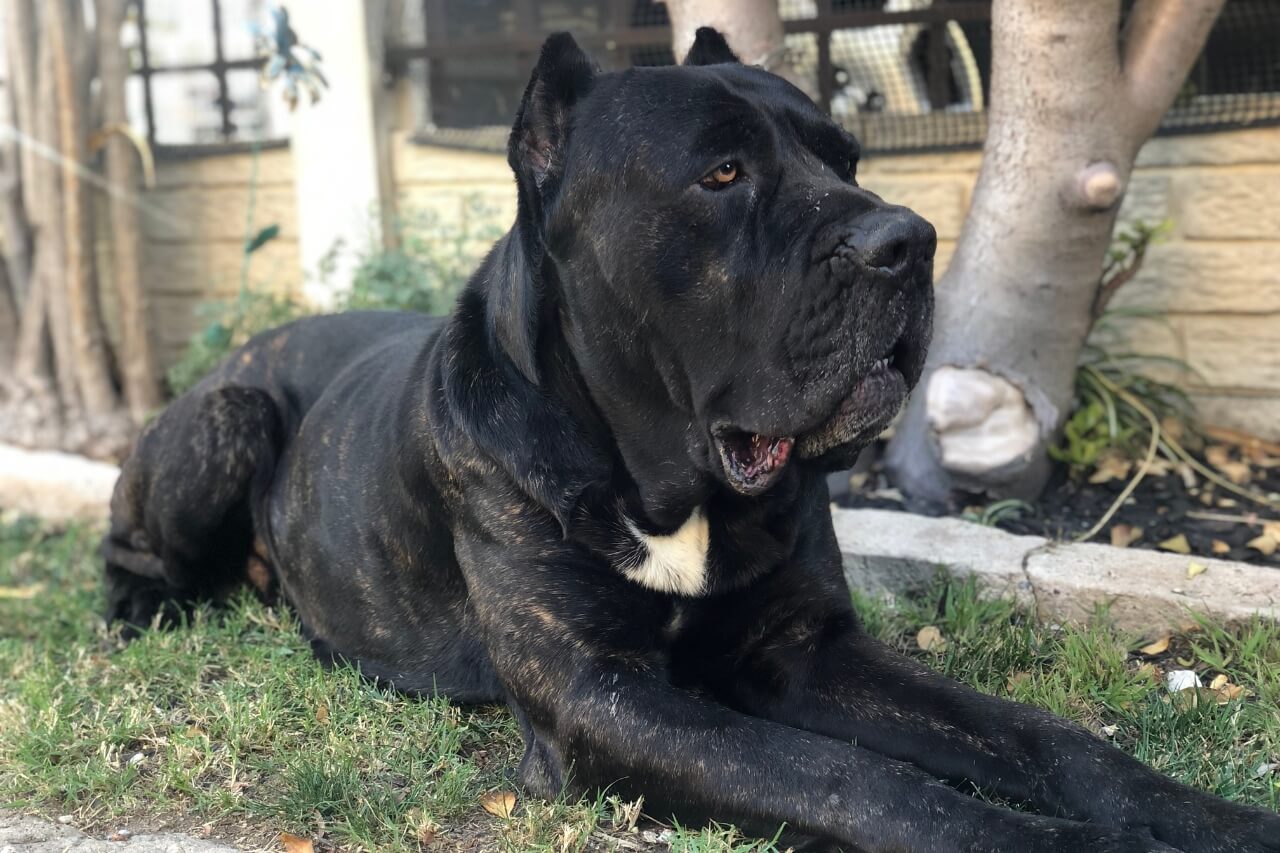
The Cane Corso is a massive Italian mastiff. They have this cool and imposing presence, and I usually say that they look like the bouncer of the dog world.
Since I am Italian, I have often come into contact with these dogs, which are quite popular here.
And I have to say that even if I’m a dog lover, I stay on my best behavior around them because you can tell they’re always watching out for their family.
And that’s exactly why Cane Corsos can be too much for families with young kids.
They are naturally protective and territorial, probably even more than Rottweilers.
They were bred as guard dogs and can be very suspicious of anyone outside their “inner circle.”
I’d say they thrive best in calm and structured households, ideally with older kids or just adults.
10. Pit Bull Terriers (American Pit Bull Terrier & AmStaff Types)

Here we are, the elephant in the room. Pit bulls are arguably the most debated breed when it comes to family compatibility.
Let me start by saying: I have met so many pit bulls that are absolute sweethearts. The kind that lick your face off and wag their whole butt when they see you.
So some pit bull–type dogs are indeed very gentle with kids in their own family.
However, and this is a big however, as a general rule, pit bulls wouldn’t be my first pick for families with young children. Why? Well, pit bulls are incredibly strong and energetic.
Even in play, they can overwhelm a small child. They also have a high prey drive and a sometimes stubborn personality.
If something triggers them or stresses them out, they can react more quickly and powerfully than many other breeds. And unlike a little dog that might nip and barely bruise, a pit’s bite (though rare in a well-raised dog) can do serious damage due to their bite force and tenacity.
You have to be an especially vigilant owner with them. Unfortunately, we’ve all seen the headlines when things go wrong. Some communities have even outright banned pit bull breeds because of their attack history and the severity of those incidents.
In my personal opinion, pit bulls are awesome companions for the right owners, people who understand the breed’s needs and potential triggers.
But if someone asked me for advice on which dog to get when there’s a small child at home, this definitely wouldn’t be a breed I’d recommend.
Obviously, if you’re thinking about getting a dog and want specific advice, it’s always best to turn to experienced canine professionals and trainers, who can give more professional guidance based on your specific needs.